
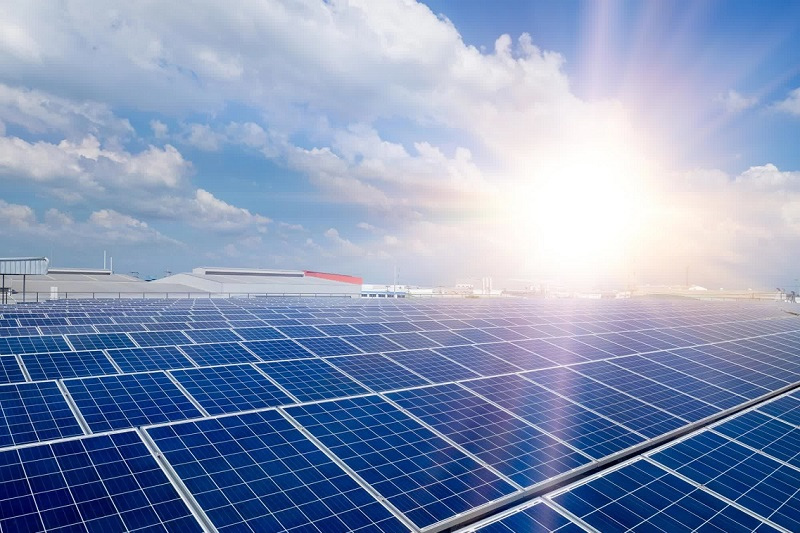
The primary reason many businesses install solar panels in their commercial premises is to enhance their green credentials and thus contribute to the quest to reduce the use of fossil fuels. For others, this may influence their decision to do so. Still, for many, the main driver is seeking a reduction in their energy bills and, ultimately, a return on the initial investment required to install their solar energy system.
With the cost of electricity seemingly rising continuously rather than the reverse, many businesses are looking for ways to reduce their electricity bills, and solar energy systems offer an alternative, reliable, and renewable energy source that can provide significant cost savings. All of this feeds into the ROI that a solar energy system can generate, and in this blog post, we will examine this in more detail.
Understanding ROI For Solar Energy Systems
ROI, or return on investment, is a financial metric that measures the profitability of an investment relative to its cost. In the case of solar energy systems, ROI measures the amount of money a business can save on its energy bills compared to the initial cost of installing the system and, in many cases, increased revenue. Several factors affect the ROI of solar energy systems, including the property’s location, system size, and energy usage so let us look at these.
Location: A business’s location affects how much sunlight its solar panels can receive. Areas with more sunlight will generate more electricity than areas with limited sunlight. Businesses in areas with high amounts of sunlight can expect a higher ROI from solar energy systems than those with less sunshine or are more prone to cloud cover.